Whatsapp Us
tel:+ 852 3618 4466

Three Core Elements of Acoustics

Three Core Elements of Acoustics: Sound Insulation, Sound Absorption, Diffusion (Recording Studio Applications)
The essence of recording studio acoustics is the precise control of three acoustic behaviors: sound insulation, sound absorption, and diffusion. Each plays a unique role and is indispensable; together they determine the final sound quality and usability of the acoustic space.

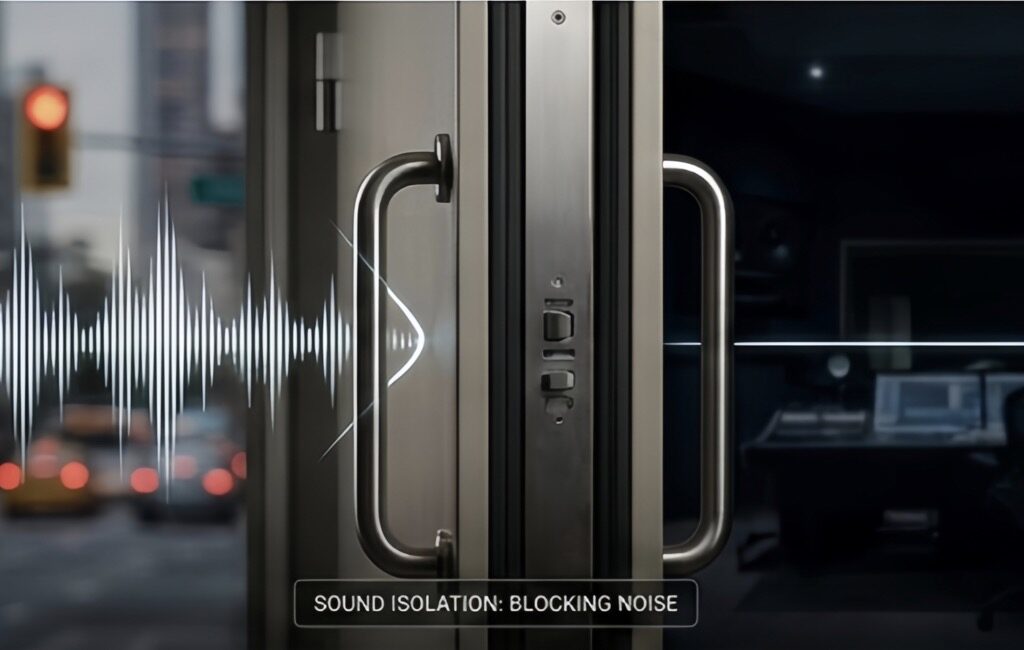
1. Sound Insulation – Blocking noise in and out

Core Definition:

Using structures and materials to block sound transmission, preventing external noise from entering the studio and stopping indoor sound from leaking out.

Studio Applications:

  • Isolating airborne noise from traffic, hallways, neighbors and equipment
  • Blocking structure-borne sound and vibration from walls, floors and pipes
  • Ensuring clean recordings without noise or crosstalk for professional recording and mixing


Core Function:

Creating an independent, sealed acoustic space — the basic foundation of studio acoustics.

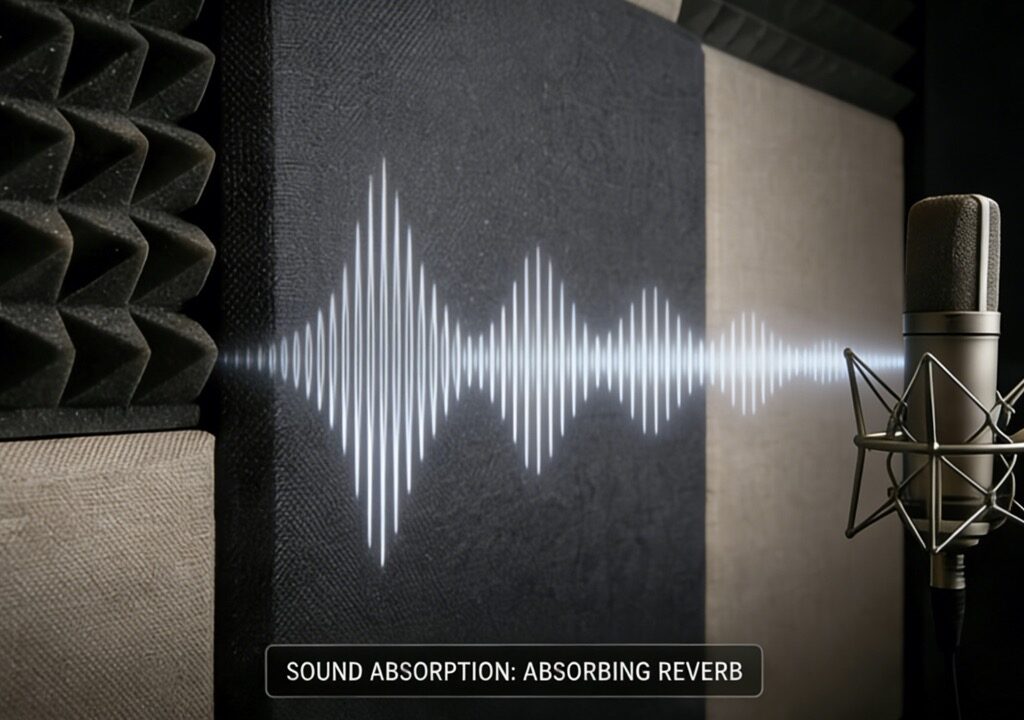
2. Sound Absorption – Controlling indoor reverb and echo

Core Definition:

Using porous or damping materials to absorb sound energy, reduce repeated reflections, shorten reverberation time and eliminate harsh echoes.

Studio Applications:

  • Avoiding muddy sound and excessive reverb in vocal and instrument recording
  • Improving monitoring clarity and preventing reflected sound from distorting listening judgment
  • Adapting to vocal recording, instrument miking, post-mixing and other uses

Core Function:

Delivering clean, clear sound without unwanted reflections — the key to optimized sound quality.

3. Sound Diffusion – Optimizing sound field uniformity

Core Definition:

Using irregular geometric structures to scatter and evenly distribute sound, avoiding focusing, standing waves and dead spots.

Studio Applications:

  • Fixing uneven sound levels in small or large rooms
  • Eliminating standing waves and low-frequency buildup for a more natural sound field
  • Creating consistent listening at monitoring and recording positions

Core Function:

Building a smooth, natural sound field, avoiding acoustic flaws, and improving professional recording accuracy.