Whatsapp Us
tel:+ 852 3618 4466

Acoustic Optimization for Small Spaces

How to Efficiently Build Acoustic Devices in Limited Spaces

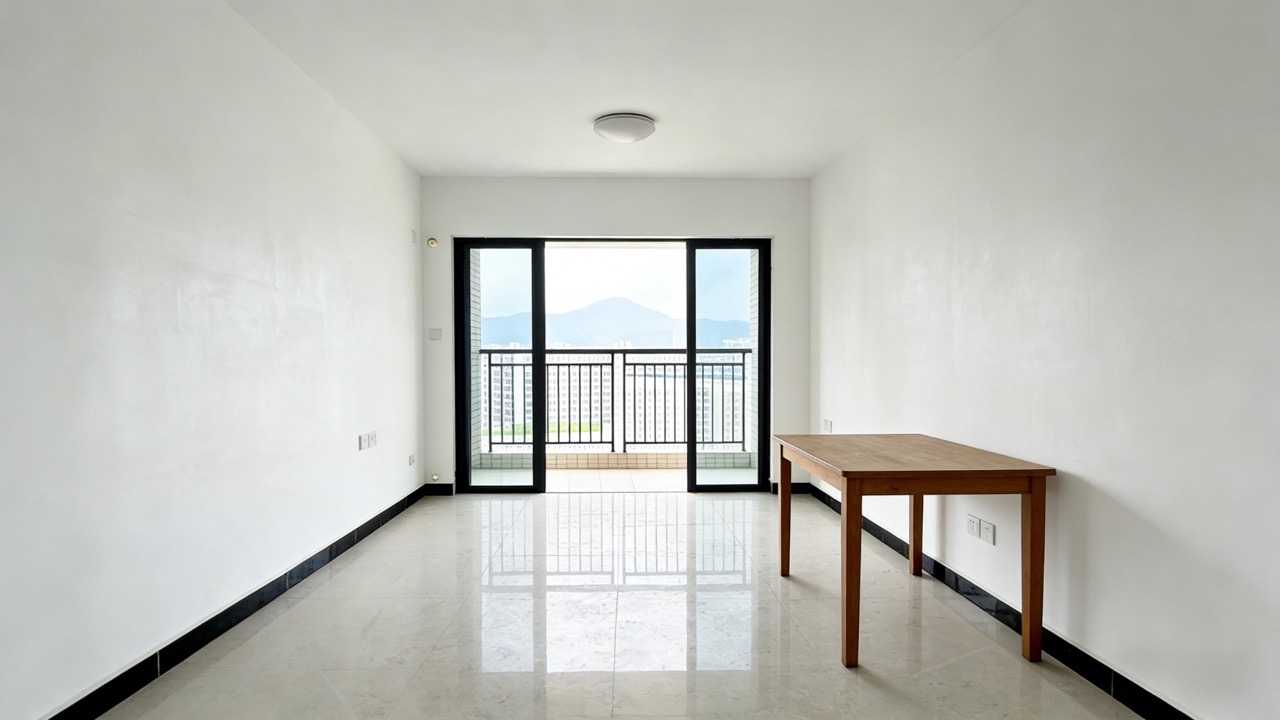
For small recording studios, small office areas and other space-limited scenarios, acoustic devices focus on lightweight, high-efficiency and space-saving solutions to achieve qualified results without structural changes.
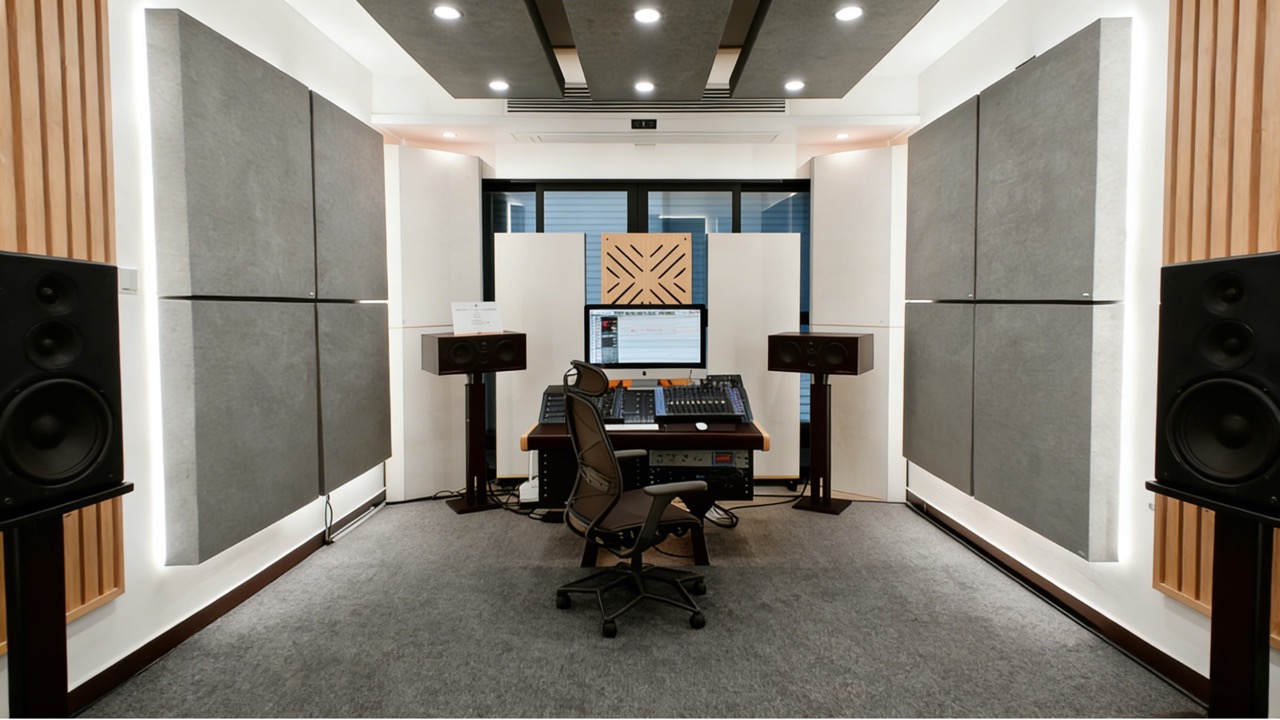
  1. Material Selection: Prioritize Thin, Compact & Multi-Functional Products
  • Sound insulation materials:
    Use thin damping boards (≤10mm), self-adhesive sound insulation felt, plus sealing strips and double-glazed windows for doors and windows, low cost and space-saving.
  • Sound absorption materials:
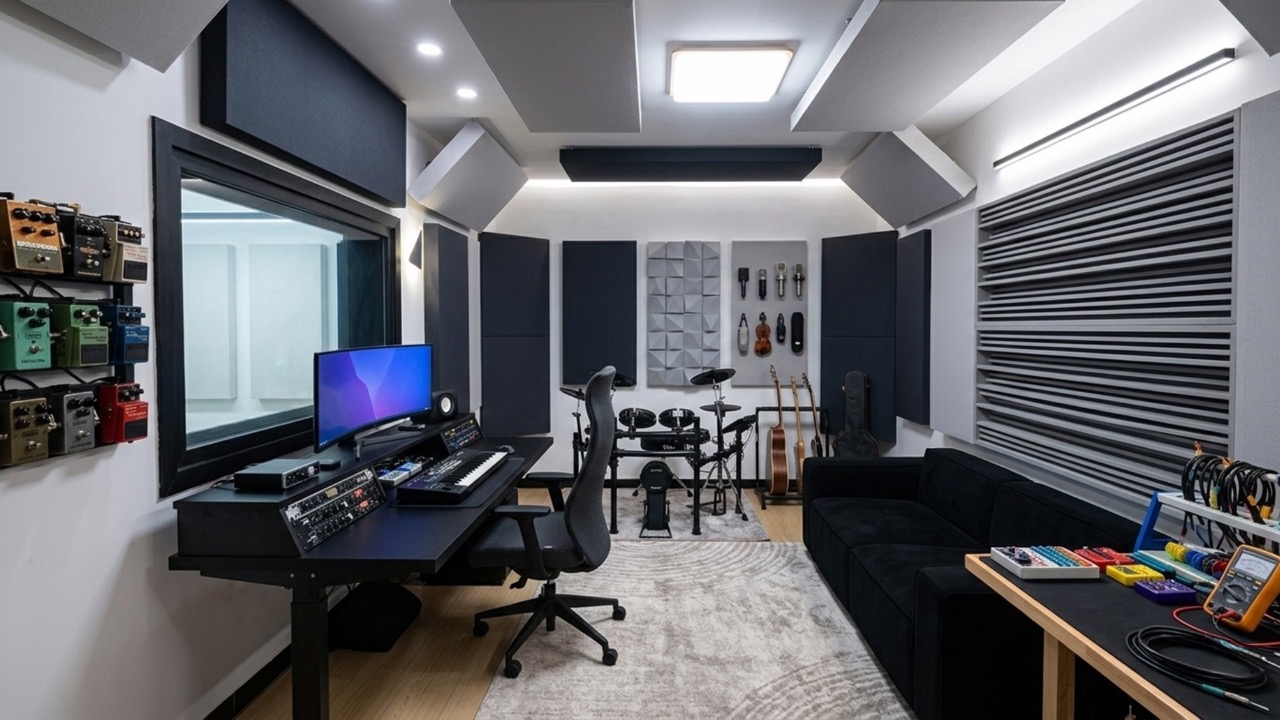
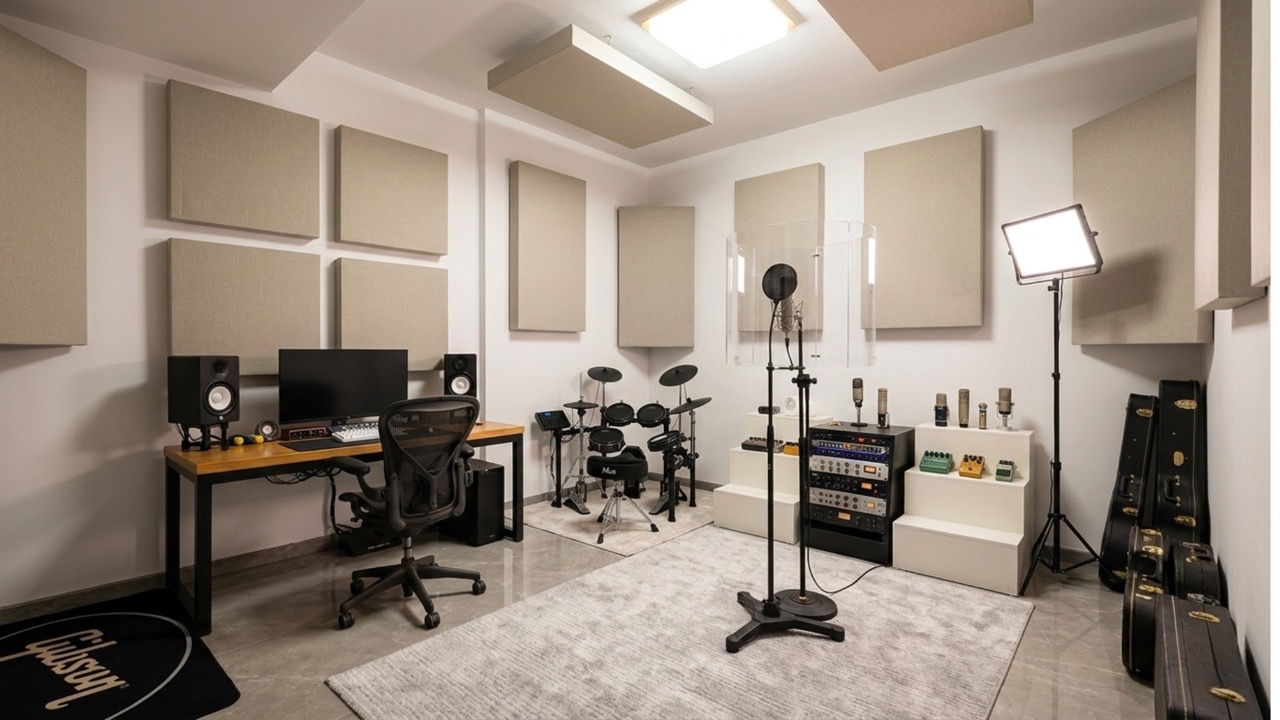
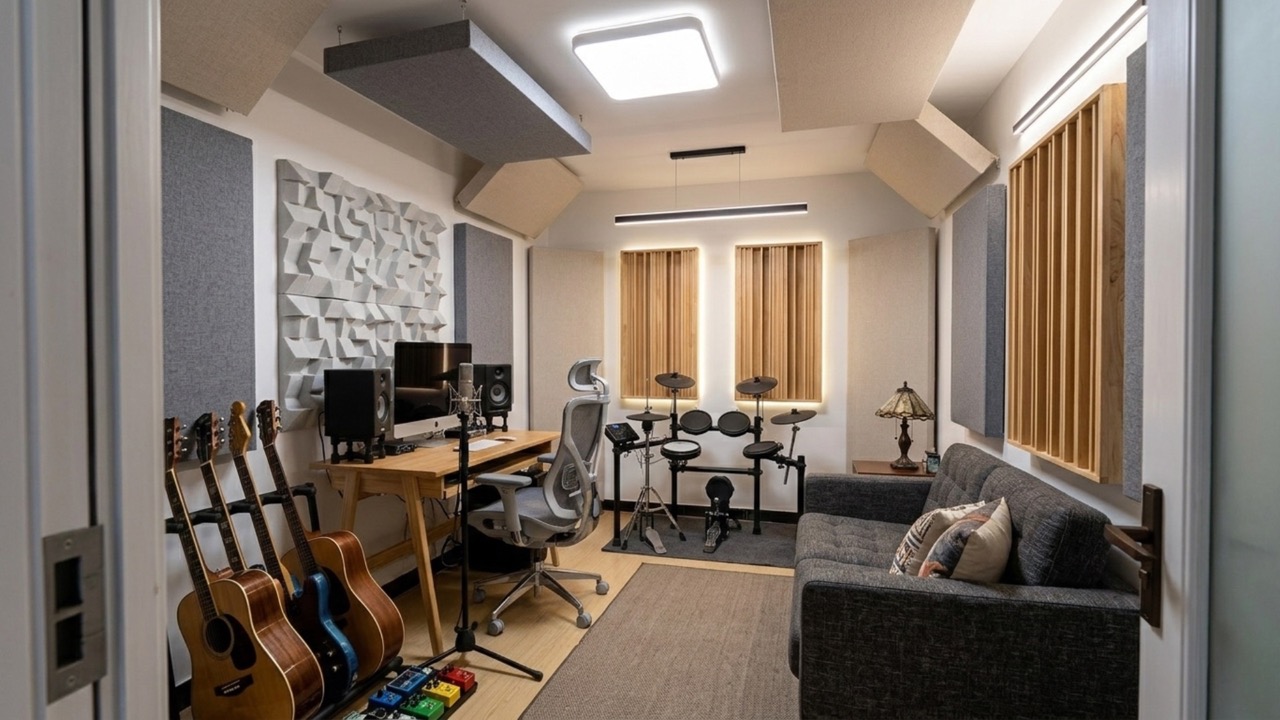
    Choose thin absorption panels, wall-mounted soft packages or foldable foam, and compact bass traps in corners without affecting circulation.
  • Diffusers:
    Use small 3D diffusers and wall-mounted modules on rear walls or ceilings, with decorative functions.

2. Layout Tips: Use Vertical Space & Focus on Core Areas

  • Install materials on walls, ceilings and other vertical spaces to keep floor area free.
  • Focus treatment on key areas instead of covering the whole room; prioritize monitoring positions, negotiation zones and other critical areas.
  • Use movable acoustic products (such as mobile absorption screens) for flexible use, avoiding fixed installations that take up space.

3. Key Pitfalls to Avoid in Small-Space Acoustics

  • Avoid overloading materials:
    prevent cramped space and dry sound field; use only core materials as needed.
  • Emphasize gap sealing:
    fill gaps around doors, windows and corners to improve sound insulation at low cost.
  • Balance aesthetics and practicality:
    choose simple, thin materials that match the space style, without blocking doors, windows or circulation paths.
AI-generated example
Market Examples